
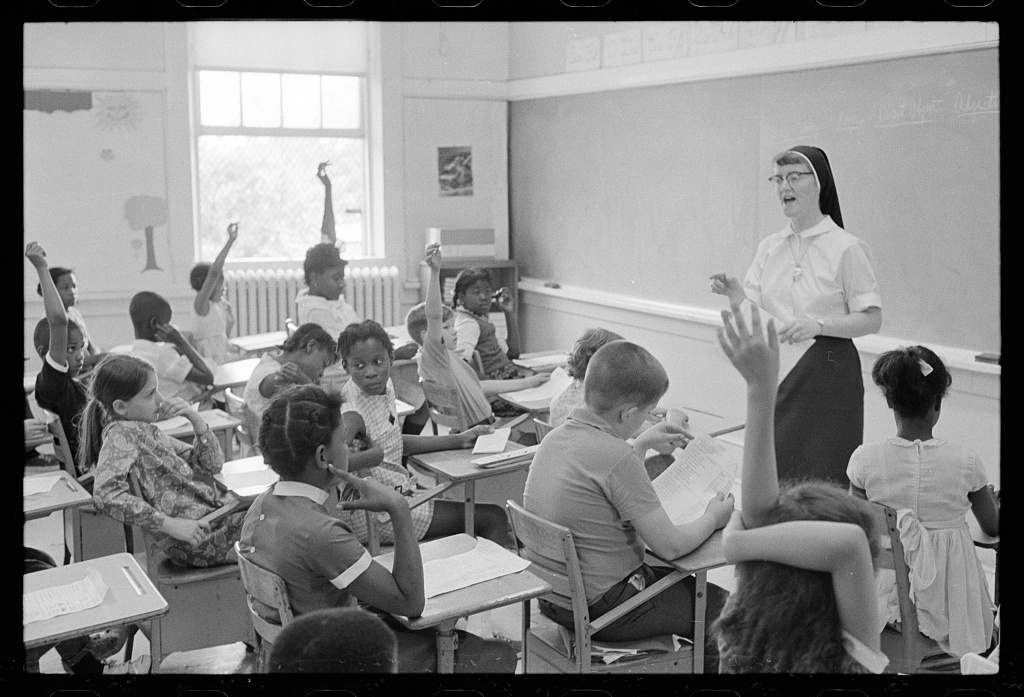
History offers a way for us to critically look at our past, create community and understanding in our present, and work toward a more equitable future. As teachers and educators, it may seem overwhelming to navigate all the time and places that history spans. Despite this, curating resources for students to understand their history helps us both to appreciate and grow from our past and inform our understanding of why the world looks the way it does today.
Resources
I have generally split up resources to teach and learn about history in two categories: primary sources and secondary sources. Whereas primary sources provide firsthand information about an event, person, or time period, secondary sources offer secondhand accounts, analysis, and interpretations of those many primary sources.
Primary Sources
The History List editors have selected a wide variety of resources for learning history at home including comprehensive lists of historic archives and images, virtual tours, interactive maps, online curriculums and resources, games and quizzes, and videos.
Library of Congress Primary Source Sets
The Library of Congress offers a curated collection of primary sources that range from topics suitable from elementary through high school students and include photos, letters, maps, audio, and even political cartoons.
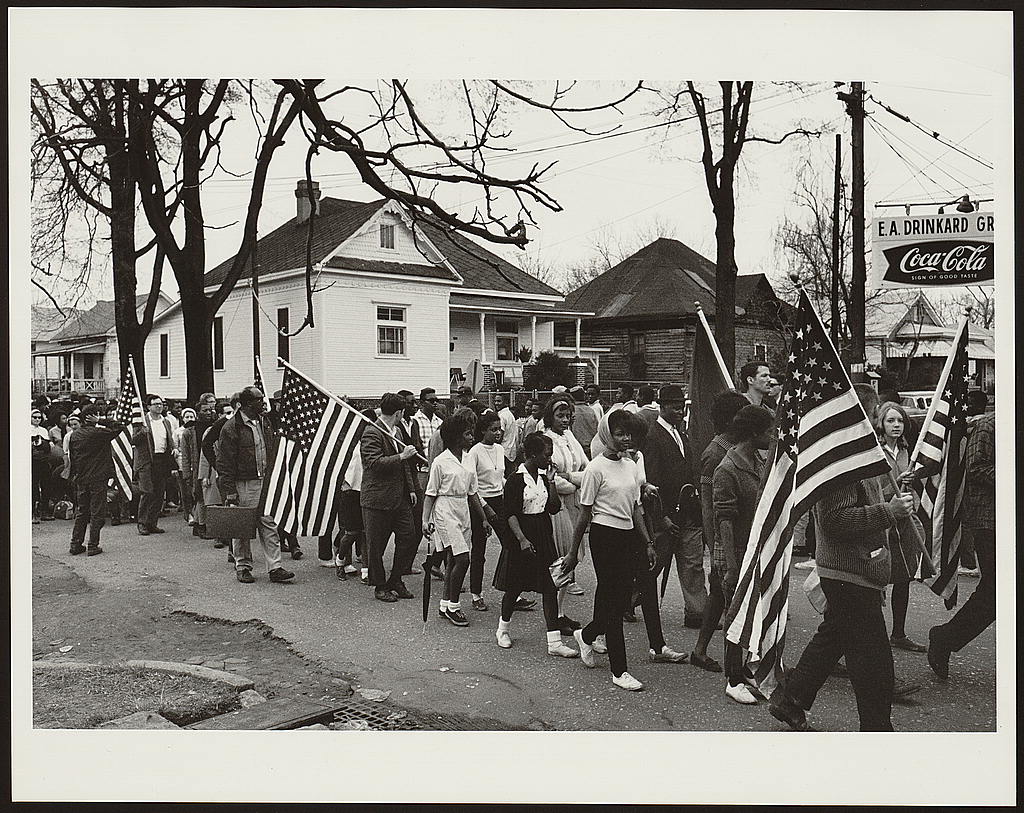
DocsTeach offers thousands of primary sources as well as document-based activities to accompany them. DocsTeach is suitable for grades 4-12 and includes letters, photographs, speeches, posters, maps, videos, and other document types spanning the course of American history.
Perhaps one of the best ways to help students connect with world history is through the eyes of peers their own age. Children & Youth in History offers educators a rich collection of primary sources that highlight the experiences of young people throughout history.
Amongst other resources, the History Channel offers a collection of video and audio from iconic speeches and interviews in the recent 20th and 21st centuries.
Secondary Sources
Library of Congress Secondary Source Guide
The Library of Congress’ Secondary Source Guide includes blog posts, online exhibits, research guides, legal reports, music resources, and free databases as examples of secondary sources for students to sort through. The guide is aimed for middle and high school students.
Harvard Library Research Guide for History
The Harvard Library Research Guide includes periodical indexes, online collections of secondary sources, bibliographies, and dissertations. While the web page might be geared to undergraduate students, it is suitable both for teachers and upper-level high school students to use.
United States Holocaust Memorial Museum
The United States Holocaust Memorial Museum offers powerful online exhibitions that help students explore the history and impact of the Holocaust. Teachers can access ready-to-use lessons and resources on key topics, while students can engage with interactive activities and research projects using the museum’s extensive digital collection.
PBS LearningMedia Crash Course
PBS’s Crash Course series brings world history to life with dynamic, engaging videos that cover everything from early human civilizations to the fall of the Roman Empire, making complex topics accessible and fun for students
This renowned magazine offers a rich collection of articles on nearly every aspect of world history, from the fall of the Soviet Union to the reconstruction of a 9,500-year-old man’s face. Explore its captivating stories and features for compelling content to enhance your world history lessons.
On the Practice of Historical Analysis
Geared toward middle and high school students, the practice of history includes analysis and creating one’s own interpretation of the past, often through essay form. The following section includes resources to help students learn how to make historical arguments.
The Essay
Harvard’s Brief Guide to Writing a History Paper
This brief guide from Harvard offers students and educators a sneak-peak into the basic tenants of writing a paper within the discipline of history. Included in the document is a review of how a historian mobilizes evidence, conventions of writing in history, and tips on how to begin writing in the first place.
Cambridge’s Virtual History Classroom
The University of Cambridge’s Virtual Classroom offers short collections of documentary and visual sources from a wide range of historical periods, prepping students on how they might approach creating a historical argument. Each unit includes a brief overview, guiding questions, and prompts to help students critically analyze evidence, identify historical arguments, and understand how to build interpretations from primary sources.
Reading Primary Sources
Library of Congress’ Teacher’s Guide and Analysis Tool
The Library of Congress’ primary source analysis tool is a helpful mechanism for students to examine and analyze any kind of primary source. It includes prompts to “observe,” “reflect,” and “question,” sparking conversation and analysis from both student and teacher alike.
National Archive’s Document Analysis
Analyzing documents is a crucial first step when working with primary sources. The National Archive’s pre-made worksheets, designed for photos, written documents, artifacts, posters, maps, cartoons, videos, and audio recordings, offer a structured approach to teaching the document analysis process. There are both tools for younger students and secondary students (and even those who speak English as a second language).
History in the Classroom
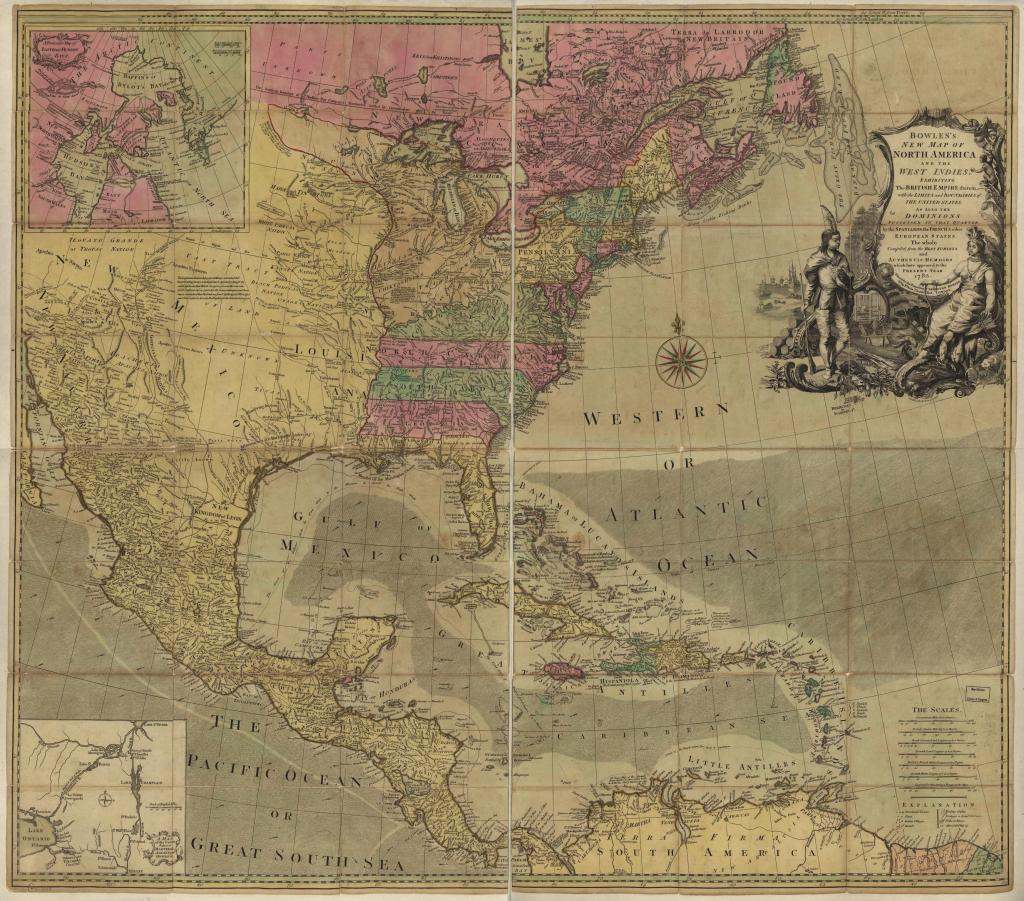
Put together, these resources, both to locate sources and analyze them, help to create a fruitful learning environment in the history classroom. One step further, the following resources help inspire teachers with lesson plans and other classroom activities to engage students to learn about history.
American Historical Association (AHA) Resource Library
The AHA offers a resource library vetted by the AHA and their partners. These range fro syllabi, to archival documents, lesson plans, and more. The Resource Library is the most expansive resource in this section.
TeachingHistory.org is an excellent resource for both students and teachers who want to develop historical thinking skills. The site offers a wealth of lesson plans, teaching guides, and tools to help educators create a world history curriculum that’s both engaging and effective.
Created by the Stanford History Education Group, these world history lessons are an outstanding resource for both students and teachers. Covering topics from the pyramids of Egypt to China’s Cultural Revolution, each lesson includes detailed plans designed to foster critical thinking and engagement.
National Museum of American History Classroom Resources
The National Museum of American History offers classroom resources that range from grades K-Adult, span a multitude of historical themes, can be filtered by national standard levels, and even include a number of instructional strategies.
 THE LYCEUM