

Édouard Manet, Le déjeuner sur l’herbe (Luncheon on the Grass), oil on canvas, 1863 (Musée d’Orsay, Paris) 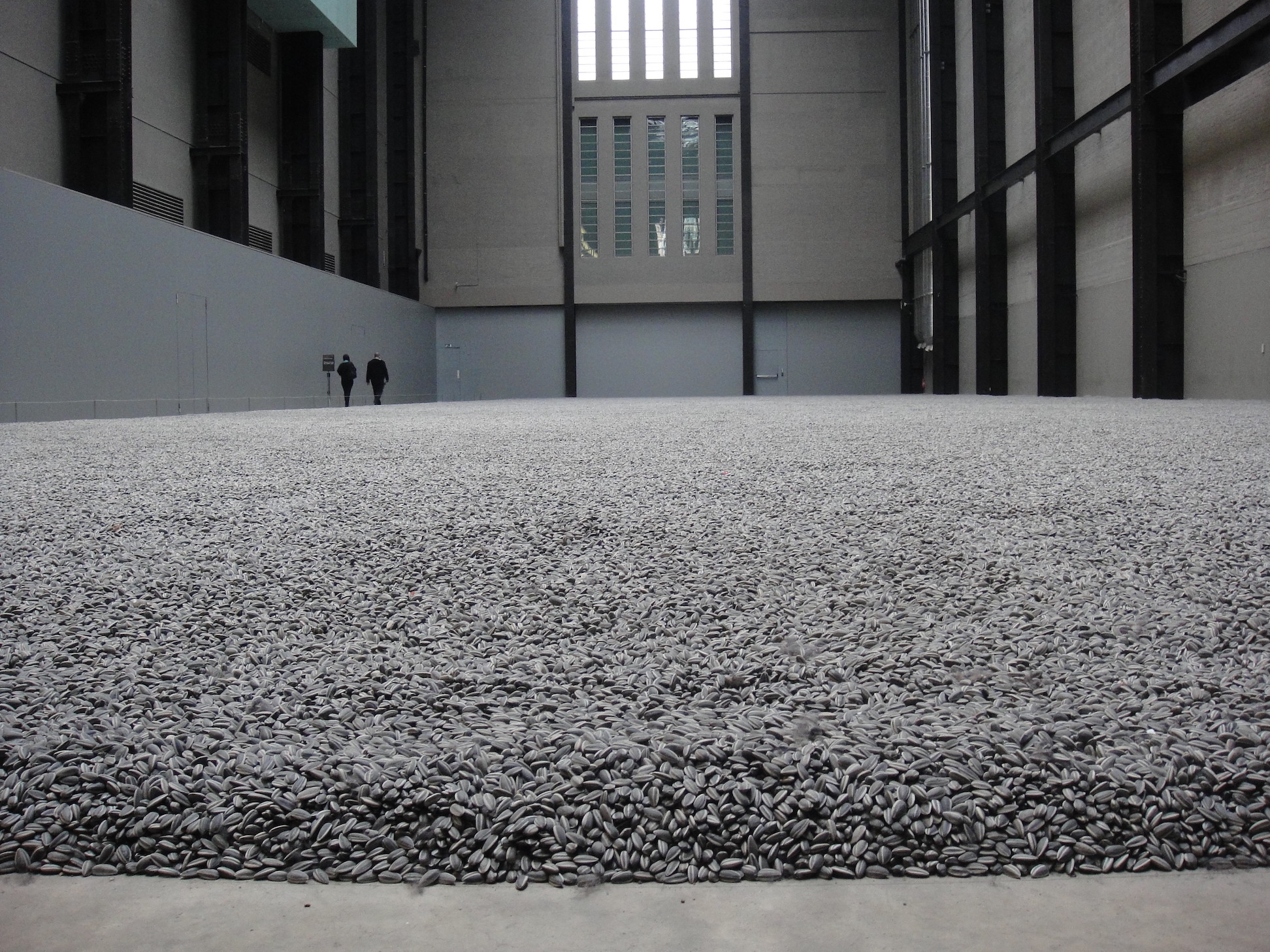
Ai Weiwei, Kui Hua Zi (Sunflower Seeds), one hundred million hand painted porcelain seeds, 2010 (Tate Modern, London 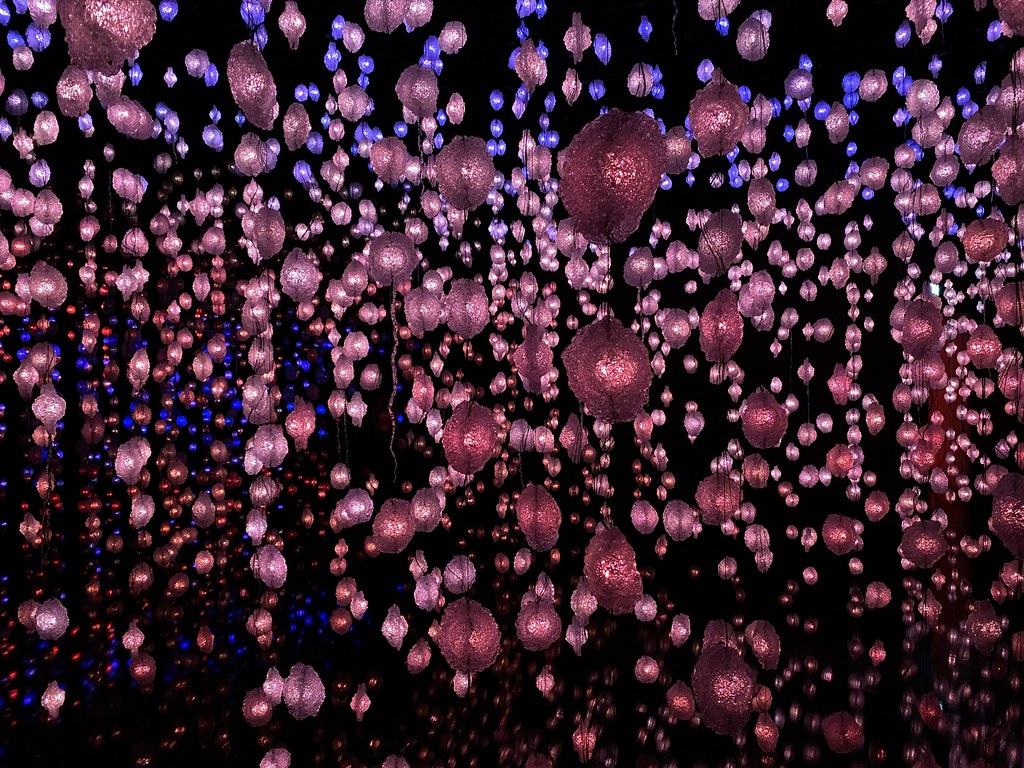
Pipilotti Rist, Pixelwald Turicum, video and audio installation, 2016 (Künsthaus, Zurich) 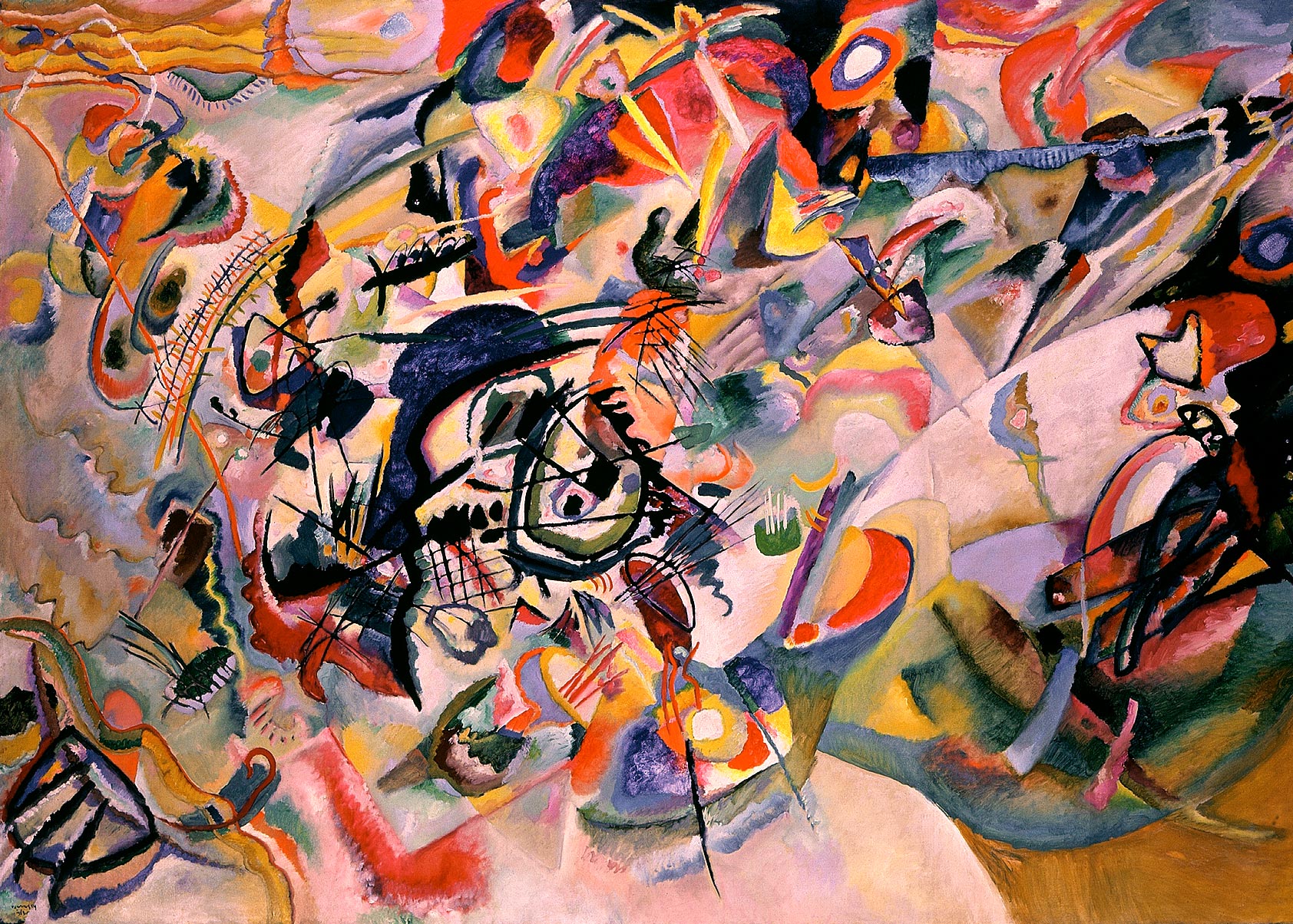
Wassily Kandinsky, Composition VII, oil on canvas, 1913 (The State Tretyakov Gallery, Moscow)
Contents
‘Why art?’
Art tells us who we were, are, or could be if we look deeper than chaotic course of our lives. Its language is inherent to humanity – a desire for individuality, a role in society, a pursuit of innovation, culture, or sensory experience – wrapped intently into the colors, sounds, and textures we choose to display in artwork.
Digital resources can help make art accessible and comprehensible to students willing to engage with this principle. Their experience with it may remain as it always was: resonant, dynamic, and unmistakably beautiful.

Theory: Why Art History?
Studying theory creates a comprehensive basis for why art history is important, interesting, and necessary in today’s society. If your students are confused or disinterested in the discipline, these videos are a good place to start stimulating understanding and interest!
Dr. Robert Glass explores the difference between ‘art’ and ‘artifact’, as well as how studying history through art can help make sense of the present. This is a good introductory article for students beginning in art history or interested in diversity and globalization.
Why You Don’t Like Art History
Was your art history class an endless succession of names and dates and movements? Art history doesn’t have to be that way! This video discusses new and compelling approaches to the study of art for hesitant students.
Using Art History to Examine the Modern Day
Art shapes history, technology, politics, and everyday life. This collection of TED-talk videos, ranging from 5-15 minutes, discusses modern life in the context of art, focusing on museums, preservation efforts, and examining narratives of power.
*Students are encouraged to watch one video each and summarize their findings. If you’re feeling adventurous, try asking them: how can you live by what you’ve learned?
Museum and Art-Discovery Resources
Do you want to bring the museum to your classroom, or the classroom to a museum? It’s not always possible with finances or physical barriers, but these resources are potential substitutes for your students to enjoy—as if visiting museums on their own or discovering artists that call to them.
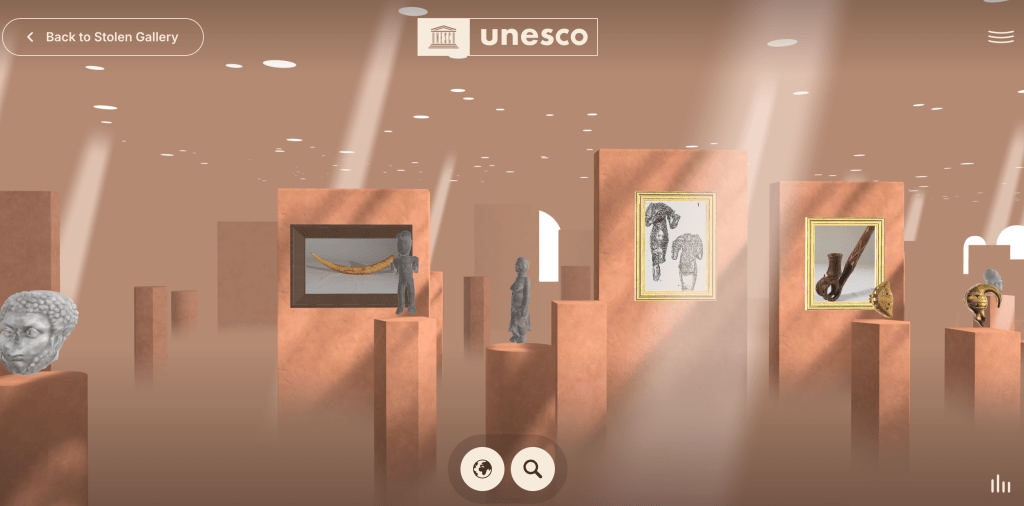
UNESCO’s Stolen Cultural Objects Gallery
Launched in September 2025, UNESCO’s Stolen Cultural Objects Gallery is the world’s first digital museum of stolen cultural heritage. Over 250 illegally looted objects, submitted by over 46 countries around the world, call this museum home. Objects such as a famous, 2000-year-old Romanian bracelet are rendered in 2D and 3D. They are arranged by region, medium, and function.
The museum’s many galleries are highly interactive, and each can be freely browsed online. Outside of these galleries, visitors are welcome to learn about UNESCO and their battle against art trafficking in the auditorium. They can also learn more about the museum’s 3D-architect, the Burkinabé architect Francis Kéré.
Read more about the museum, or explore it yourself!
*Recommended Activity: Encourage your students to find an object that calls to them. Write a report on its form (how it looks), function (how it was used), and history (how it was created and how, most importantly, it ended up in a museum of stolen objects).
Heilbrunn Timeline of Art History
The Heilbrunn Timeline of Art History features both a chronology and map, allowing students to filter for specific regions of the globe and periods of history. The site also includes over 1000 essays written by curators of the Metropolitan Museum of Art. As each essay features an artifact in the MET’s collection, students guide themselves through the museum’s collection from their computers.

Google Arts & Culture’s 360° Art Project
Partnering with museums, artists, and non-profit organizations, Google’s 360° project mimics the physical experience of viewing artwork. Through virtual reality, students explore paintings, sculpture, architecture, performance art, and even full, curator-led museum tours from multiple angles. These tours are incredibly diverse, ranging from Queen Victoria’s Durbar Room and Damascus’ Umayyad Mosque to Ferragamo’s Fashionable Stilettos.
Tour of Queen Victoria’s Durbar Room, Osborne House, taken from Google Arts & Culture. 360-scrolling and audio tour led by Osborne House Curator Michael Hunter.
Curators’ Recommendations: The 360° project includes works spanning all periods of time. The curator would like to highlight a few contemporary artists who experiment with modern technology and the digital world to produce groundbreaking works of art.
- Jonathan Yeo’s Homage to Paolozzi: Using 3D-scanning and virtual sculpting technology, British painter Jonathan Yeo develops the world’s first, large-scale 3D-printed portrait. A companion piece to the video can be found here.
- Zaha Hadid’s The Peak: Blue Slabs: Zaha Hadid is an Iraqi-British artist whose methods and work are often used in contemporary architecture to propose the designs of new buildings. This painting breaks the city of Hong Kong into pure, geometric shapes.
- Mara Oscar Cassiani’s The Sky Was Pink: Cassiani is a Southern Italian artist experimenting with digital media and performance. This piece explores the contemporary dynamic of audience involvement in artwork as, through VR, the audience becomes part of the performance.
Georgia Museum of Art’s Online Exhibitions
The Georgia Museum of Art, the state of Georgia’s official state museum, has a variety of online exhibitions designed by curators, professors, and art history students using art from the museum’s collection. Each exhibition comes with a set of images, artist descriptions, and an explanation to support its inclusion in the exhibit.
Aeon’s Art Videos
The Aeon platform produces highlights videos and essays about a variety of topics in art history. Also included are videos on dance, biography, music, literature, and more—which Aeon ties into its discussion of art. Videos generally range from 5-20 minutes and use clear and accessible English for middle, high school, and college audiences.
American Alliance of Museums Search
The American Alliance of Museums is a non-profit organization that represents all museums, including art museums, across the United States. Filtering for ‘art museums’ and your state of choice, you can find nearby museums that are registered in the AAM network. This may help for planning your field trips! Similarly, the AAM website has tons of other resources on museum curation practices, the importance of accessibility in museums, and more!
Sartle: Rogue Art History
The Sartle website mixes serious art history with snarky observations and hilarious, strange and shocking facts about artworks and artists. The website’s fun filters – from ‘hairdos’ to ‘turtle power’, gauge the interests of students who may be bored with typical art history filters, such as dates and locations.
*Note: Due to foul language and content, this resource is not recommended for children and is appropriate for ages 16 and up. Review website before use.
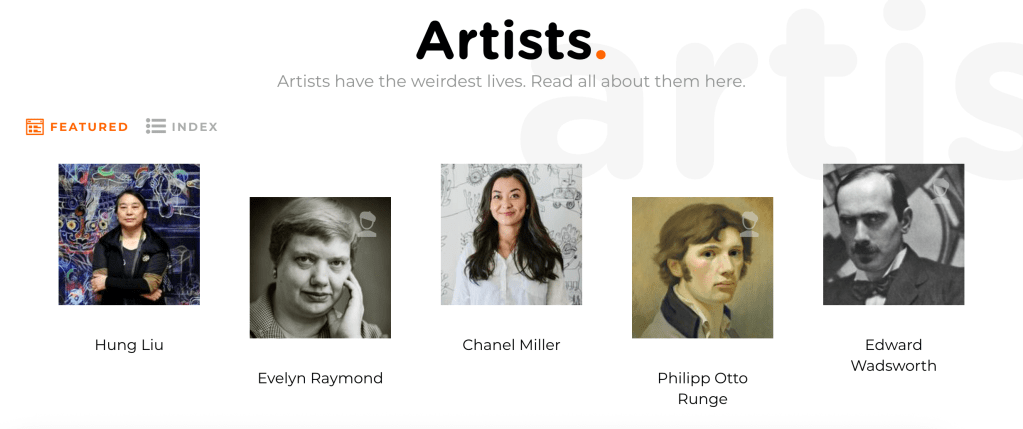
The Lyceum’s Spotlight Section
The Lyceum curators have developed a “spotlight” on contemporary artists to look out for! Each artist’s spotlight contains a brief introduction to the artist, a list of selected works and additional resources, discussion questions, and a video/image of an artwork to transport your classroom into their world.
Want to know what your fellow teachers are thinking or what your students are drawn to in the world of contemporary art? This list reflects the current interests of its contributors, so it may be a good place to see who’s important, interesting, and revolutionary!
Classroom Activities
This list of resources is tailored to classrooms K-12. The list contains class activities, syllabi, and useful teaching materials curated by other professionals in art history – all available online!
Young Learners
The Metropolitan Museum of Art’s Elementary School Activities
The Metropolitan Museum of Art has designed several activities for elementary school students, drawing from Western and non-Western art history. These activities feature objects and sites from the MET collection.
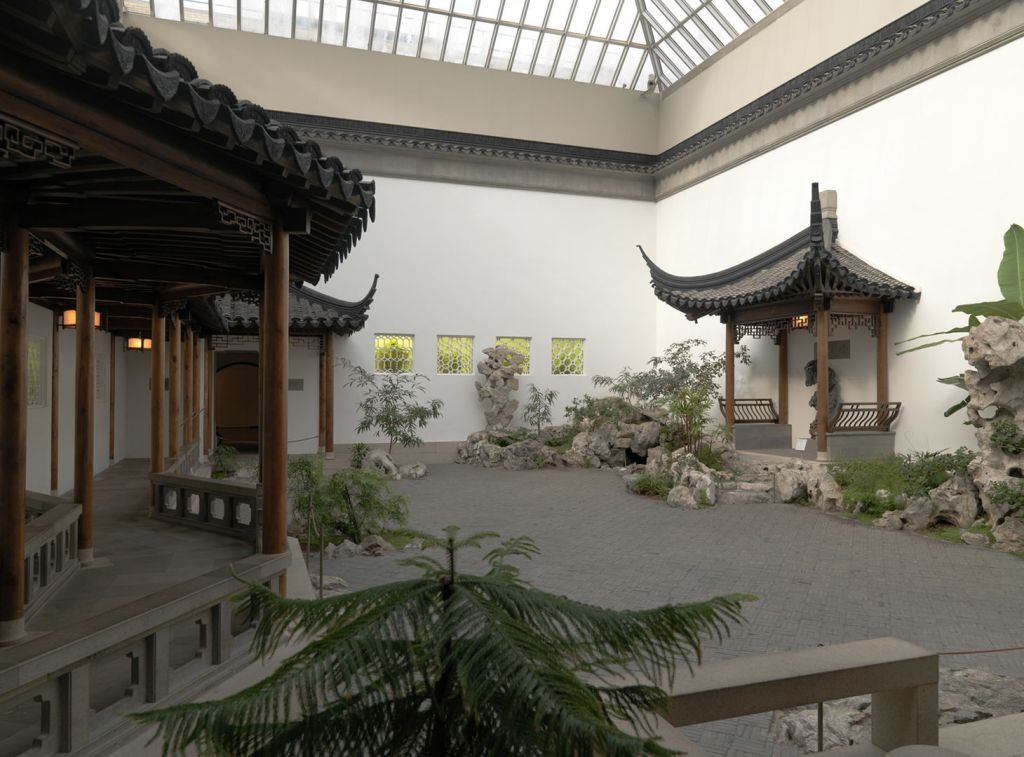
The Astor Chinese Garden Court, 1981. Modeled on a Ming dynasty (1368–1644) scholar’s courtyard in the Garden of the Master of the Fishing Nets, Suzhou. Featured in the MET’s elementary and middle school activities.
The Metropolitan Museum of Art’s Middle School Activities
The Metropolitan Museum of Art’s middle-school activities encourage students to consider the deeper meaning of artwork. They may also dive deeper into the creation methods used to produce artwork. These activities feature objects from the MET collection and are more in-depth than the elementary school activities.
Art History for Kids: Curated Lessons
The Happy Family Art History website contains lessons appropriate for elementary-middle schoolers. Lesson plans involve curated instruction and encourage children to make art themselves – covering subjects like Pointillism, Egyptian art, and more!
The Hunter Museum of American Art’s Educator Resources
The Hunter Museum of American Art’s education resources page has a list of potential class activities and artist spotlights, taken from works in their gallery. Similarly, the museum lists ways to access the Hunter American Museum in-person.
Activity: Using the Random Classic Art Generator
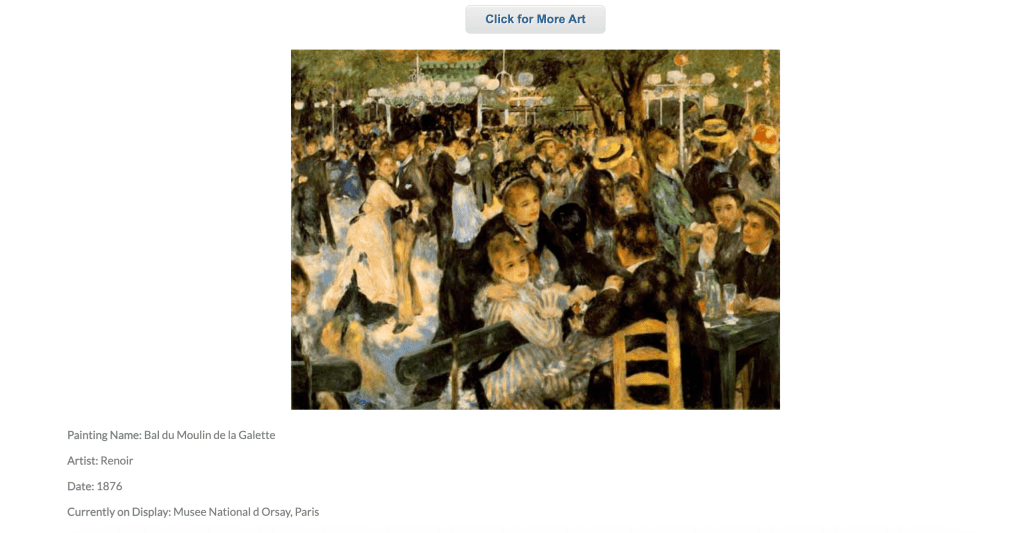
The Random Classic Art Generator gives the creator, time period, current residing location, and image of a random piece from art history. Here is one way to play around with the generator:
- Allow students to explore art, generating pieces until they find one they like. The student should create a report that records important details and fun facts about the artwork.
- Have students remake their piece using construction paper, collage, sketch/drawing, or other methods, so long it results in a physical copy of the work.
- Create a ‘museum’ of student work by hanging their artwork copies and information reports around the classroom, gallery-style.
- Allow students to ‘tour’ the makeshift gallery, learn more about their classmates’ work, and note what pieces interest them! This can be as museum-immersive as you’d like it to be.
High School and Above
Smarthistory Syllabi
Need help designing an art history course? Smarthistory is the Internet’s most trusted art history source. These syllabi are curated and updated by Dr. Steven Zucker and his colleagues. Each syllabus is generally divided into 13 concise units. These units feature key art history terms, discussion questions, and unit-relevant, critical artworks. *For a full list of Smarthistory’s syllabi, including AP Art History, thematic guides, and others, hover over the ‘curated guides’ on the Smarthistory website.
Art History Teaching Resources: Lesson Plans
If the Smarthistory syllabi are not enough, the lesson plans available on the AHTR platform are curated by several scholars of art history. They contain slideshows, key terms, lists of crucial artworks, background readings, and digital art historical resources to engage deeply with subjects in art history. *Note that these lesson plans can be very extensive and are appropriate for the high school level and above. Peruse them thoroughly!
Fleet’s Art History Channel
Along with Smarthistory, Fleet’s AP Art History has been a recommended learning resource for students taking the AP Art History College Board exam. The channel has over 9 years of teaching experience and contains lesson overviews, exam reviews, and other guides for teachers.

 THE LYCEUM