
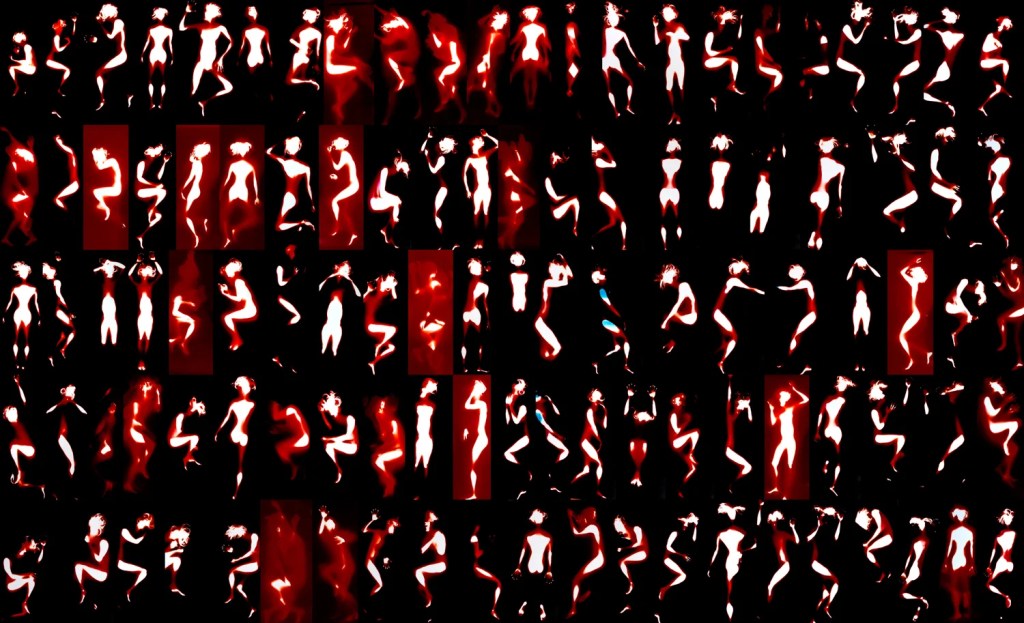
Kei Ito is a Japanese installation artist, conceptual photographer, and sculptor.
Ito’s work is deeply rooted in the bombing of Hiroshima, which his late grandfather survived. Despite the generations that passed, the event inflicted heavy trauma upon the remainder of his family.
As a result, a deep sense of intergenerational loss underlies much of Ito’s work. He describes his work as being consistently aware of its own mortality – the possibility of death – and he uses this awareness to explore how contemporary approaches to international security, heritage, and identity are affected.
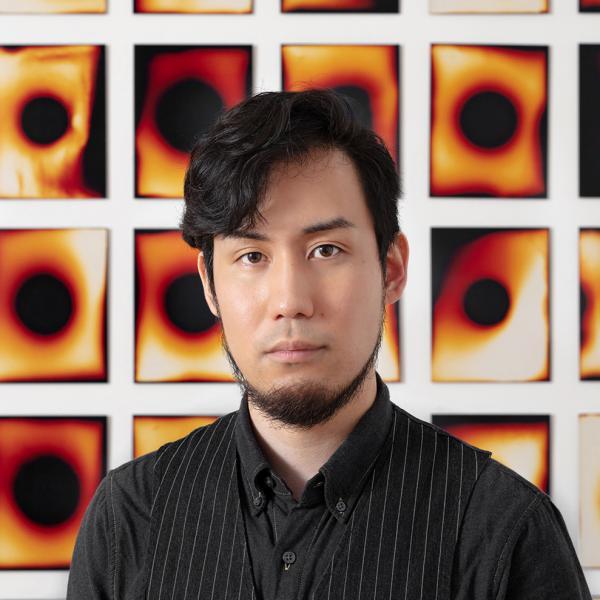
Ito’s website states: “By excavating and unveiling hidden histories connected to his own, Ito utilizes his generational past as a case study for reckoning contemporary and future events….he recasts memories of horror and trauma into an oasis of peaceful reflection.”
Ito is also concerned with “invisible” things like radiation, memory, and unseen histories. To Ito, remembering these stories, including past tragedies, teaches us how to prevent contemporary ones. But he does so not through the glaring and grotesque, but with serene and contemplative imagery.
Discussion Questions
- What is the importance of “history” in Kei Ito’s work?
- More importantly, as art historians, what do you think history can teach us about the present? Does this inspire you to study art history? If not, what does?
- Watch the video for Each Tolling Sun and imagine yourself walking through the exhibit, scanning the images. What do you think this work is telling us?
- Afterward, read Ito’s description of the work.
- Choose one of Ito’s works —or use Each Tolling Sun—and reflect on his choices as an artist. Why might he be using certain techniques or mediums and depicting certain subjects? How might this tie to his vision as an artist?
 THE LYCEUM
Leave a comment