
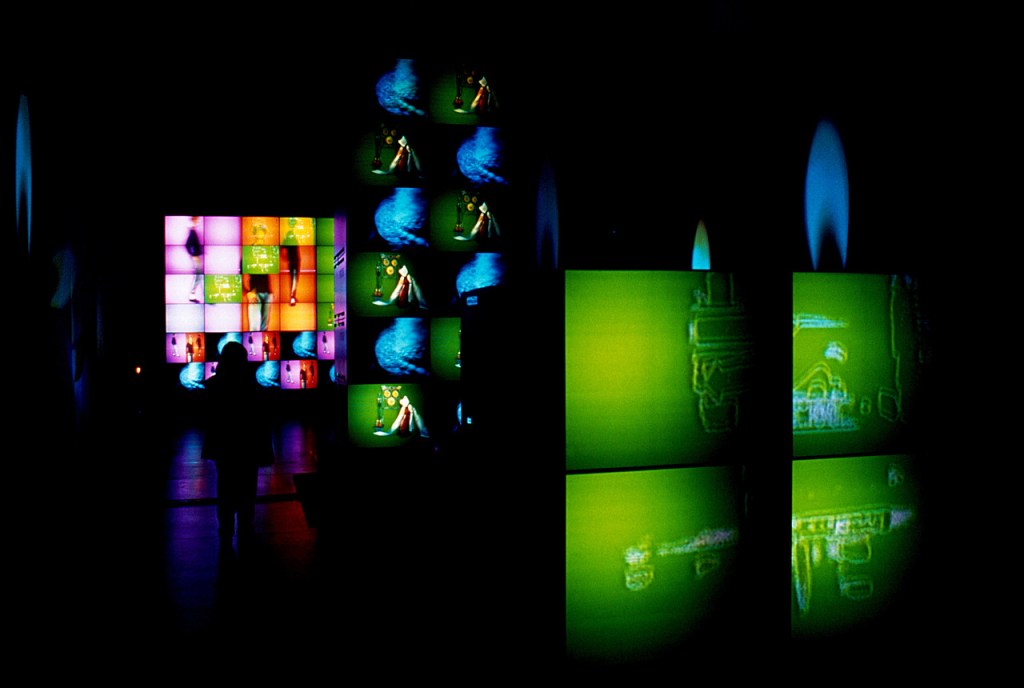
Nam June Paik (1932-2006) was a South Korean artist often considered to be the founder of video art.
He is also the first to coin the term “electronic superhighway” to describe the World Wide Web!
An esteemed member of the avant-garde Fluxus movement, Paik was inspired by composers of his age, such as John Cage, to create “action music”. Action music combines objects with theatrical performances of sight and sound.
Later, in 1963, Paik began to produce video art. The increased influence of technology was controversial at this time, and fears that technology would replace humans were especially rampant. Through video art, Paik wanted to show how technology could connect, not destroy, the bonds between members of humanity.
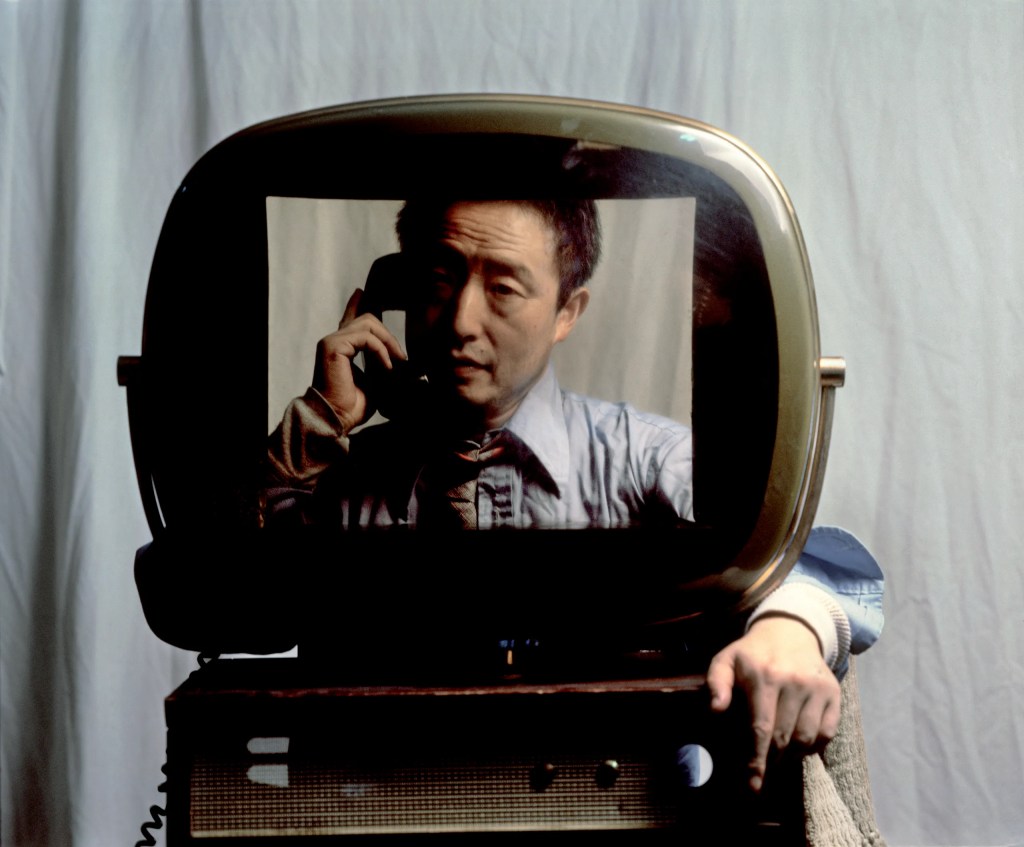
Osias states: “He’s the father of video art. Video is an experimental way to express art with technological means.”
Meanwhile, Paik himself stated about technology: “Half-and-half is good. You cannot deny that high-tech is progress. We need it for jobs. Yet if you make only high-tech, you make war. So we must have strong human element to keep modesty and natural life.”
Paik also married Japanese artist Shigeko Kubota. After being paralysed due to a stroke in 1996, he died to a second stroke on January 29, 2006, aged 73. He was survived by his wife, brother, and nephew.
Discussion Questions
- Watch the video for Electronic Superhighway, or look at an image.
- How would you describe the piece’s medium (i.e: what materials did Paik use to make this artwork?)
- How does this artwork make you feel?
- What do you think Paik is trying to tell us about the United States ?
- Why do you think this piece is titled Electronic Superhighway? What details lead you to that conclusion?
- How do you think music can contribute to visual art? Vice versa?
- Do you think Paik is right about technology? Why or why not?
 THE LYCEUM
Leave a comment